July 27, 2026
Motor vehicle collisions occur without warning, leaving drivers in a state of shock. The immediate aftermath involves shattered glass, twisted metal, and immense confusion. Motorists find themselves stranded on the road shoulder, attempting to process the sudden disruption. Knowing the correct actions to take ensures safety and protects the legal rights of all parties involved. Preparation eliminates panic and replaces chaos with a clear, logical plan of action.
While medical professionals and law enforcement officers handle the scene, vehicle recovery requires a different perspective. A local auto detailer understands the intricate layers of vehicle damage, from superficial paint scratches to deep structural issues. This guide outlines the essential actions drivers must take following a collision. By examining the situation through a specialized lens, vehicle owners can navigate the recovery process with absolute confidence and clarity.
Assessing the Immediate Aftermath
Evaluating the environment is the critical initial phase. Drivers must ascertain if their vehicles pose a hazard to oncoming traffic. Moving the cars to a shoulder or parking area prevents subsequent collisions. Activating hazard lights alerts approaching motorists to the obstruction. Safety remains the paramount concern during these chaotic moments. Occupants should exit the vehicles upon confirming the surrounding area presents no danger whatsoever.
Examining all passengers for injuries takes precedence over property concerns. Even minor impacts cause hidden trauma. Motorists must contact emergency services to dispatch paramedics and police officers to the location. Providing exact coordinates and road landmarks helps responders arrive without delay. Medical personnel assess all individuals involved, ensuring no underlying health issues go unnoticed. Documentation of medical evaluations plays a vital role in future claims.
Exchanging information with the other motorists involved is a mandatory requirement. Drivers need to collect names, addresses, phone numbers, and insurance policy details. Securing the license plate letters and vehicle identification data ensures accurate records. Conversations should remain brief and factual. Admitting fault or apologizing creates future legal complications. Participants must stick to gathering data instead of discussing the circumstances of the collision.
Waiting for law enforcement requires patience and composure. Police officers secure the area, interview participants, and compile an official incident report. Their objective assessment provides an unbiased account of the event. Drivers should answer police questions with factual statements. Speculation about the cause of the collision hinders the investigation. Obtaining the badge details of the responding officers facilitates future communication regarding the report.
Documenting the Collision Details
Capturing the scene through photography preserves vital evidence. Vehicle owners must use smartphones to record the position of their cars before they move. Photographs should encompass street signs, traffic signals, and weather conditions. These visual records protect motorists from false claims regarding the environment. Even a seasoned local auto detailer relies on initial photographs to assess prior wear versus fresh impact damage on a bumper.
Detail requires multiple angles and perspectives. Drivers should capture wide shots of the entire intersection and close-up images of shattered taillights. Documenting fluid leaks, skid marks, and deployed airbags paints a complete picture of the severity. This comprehensive visual catalog provides insurance adjusters with undeniable proof. Detailed imagery prevents disputes about the extent of the damage sustained during the specific incident.
Identifying neutral observers adds credibility to the driver's account. Bystanders who witnessed the collision offer valuable perspectives. Motorists should approach these individuals and request their contact information. Witness statements corroborate the sequence of events leading up to the impact. Independent accounts carry significant weight during insurance investigations. Securing names and phone numbers before witnesses leave the scene is a crucial step in building a case.
Requesting the official police report completes the on-scene documentation phase. This document serves as the foundational element for all subsequent actions. Officers compile diagrams, statements, and citations into this comprehensive file. Drivers need the report identifier to access the records from the police department. Insurance companies demand this official account to process claims and determine liability. Securing a copy expedites the entire recovery process.
Navigating the Insurance Process
Initiating contact with the insurance provider begins the financial recovery. Policyholders must notify their agents about the collision without delay. Delaying this communication raises suspicions and complicates the claims process. Agents guide drivers through the specific requirements of their policies. Providing the incident report identifier and the photographic evidence sets the claim in motion. Timely reporting ensures the best possible outcome.
Communicating with the assigned adjuster requires organization and clarity. Adjusters review the submitted evidence to estimate the repair costs. Vehicle owners must logically present the gathered information. Supplying the witness contacts and the detailed photographs supports the claim for comprehensive repairs. An open line of communication with the adjuster prevents misunderstandings. Providing requested documents without delay maintains momentum.
Comprehending the nuances of the policy coverage prevents financial surprises. Drivers need to review their deductibles and rental car allowances. Certain policies dictate specific repair facilities, while others offer flexibility. Understanding these parameters allows motorists to make informed decisions about vehicle restoration. For instance, some premium policies cover the services of a local auto detailer to remove broken glass and hazardous materials from the cabin.
Scheduling the damage appraisal is the final hurdle in the claims phase. The insurance company sends a professional to evaluate the bent metal and shattered plastic. Vehicle owners should attend this inspection to point out hidden damage. The appraiser generates a repair estimate based on parts and labor costs. This evaluation determines if the vehicle remains salvageable or if it requires a total loss declaration.
Restoring the Vehicle Condition
Repairing the structural and mechanical components takes priority. Technicians realign the frame and replace damaged engine parts. Safety systems, including sensors and airbags, require recalibration for proper function. Restoring the vehicle to safe driving conditions is the primary goal of the body shop. Painting the new panels to match the existing exterior concludes the structural repair phase. Mechanical integrity ensures occupant safety.
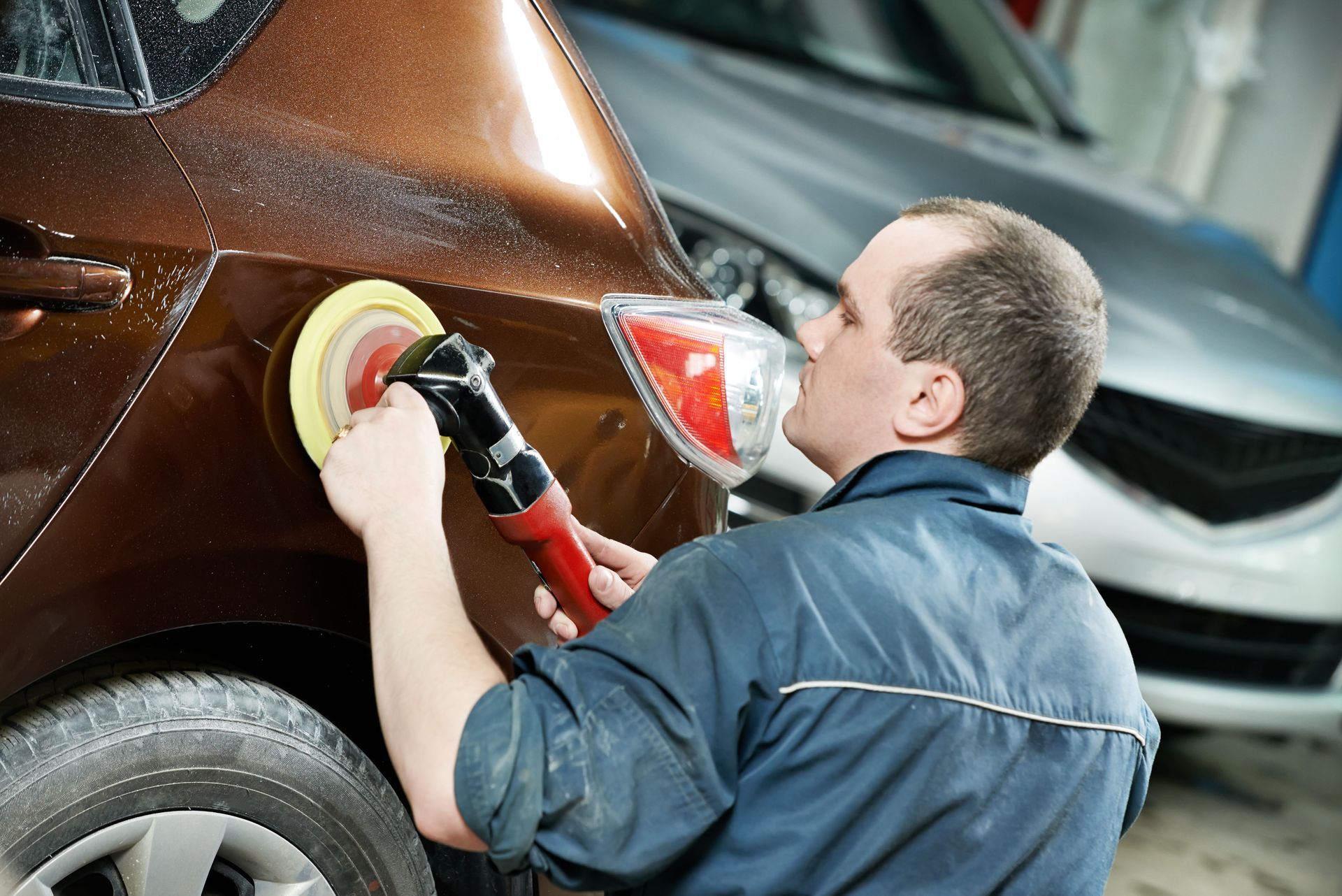
Addressing the cosmetic aftermath elevates the vehicle back to its pre-collision state. Body shops handle the major metalwork, but meticulous cleaning requires specialized skills. Selecting an experienced local auto detailer guarantees the removal of lingering odors, deployed airbag dust, and microscopic glass shards. These professionals possess the tools required to deep clean the interior upholstery and polish the exterior clear coat.
The deep cleaning process addresses elements overlooked by standard repair shops. Technicians extract stains, neutralize chemical spills, and restore the interior surfaces. This level of restoration demands significant time and effort. According to Panda Hub, auto detailing for vehicles that are heavily soiled, such as those covered in road salt, can take at least five hours or longer. Thorough reconditioning transforms the cabin back into a pristine environment.
Final inspections guarantee the quality of the restoration work. The vehicle owner must examine the paint finish for imperfections and test the electronic components. A reputable local auto detailer will conduct a walkthrough, highlighting the areas treated and the techniques utilized. This final review ensures the car meets all safety and aesthetic standards. Approving the work signifies the end of the long recovery journey.
Returning to the road requires a safe vehicle and a clear mind. The restoration of the car brings a sense of closure to the ordeal. Drivers can resume their daily commutes knowing they handled the aftermath with competence. The collision becomes a memory instead of an ongoing crisis. Preparedness remains the most valuable tool a motorist can possess for future journeys.
Recovering from a vehicular collision involves a sequence of deliberate actions. From securing the initial scene to scheduling the final clean, every phase matters. Motorists who follow a structured approach minimize stress and maximize their insurance benefits. Thorough documentation and prompt communication form the foundation of a successful claim. Patience and diligence turn a chaotic event into a manageable task. When you are ready to hire a local auto detailer to erase the final lingering signs of your collision, we invite you to reach out to us at Ceramic Pro Mechanicsburg. We are fully equipped to restore your vehicle's interior and exterior to its original glory.